This is a moment all marketing teams have experienced: a great marketing concept emerges during your brainstorm, but someone in the room says, “What if it was a game?” and it goes back to the drawing board. Bad ideas have been responsible for the death of fewer productive concepts than that gap between a good interactive idea and a product that can be shipped.
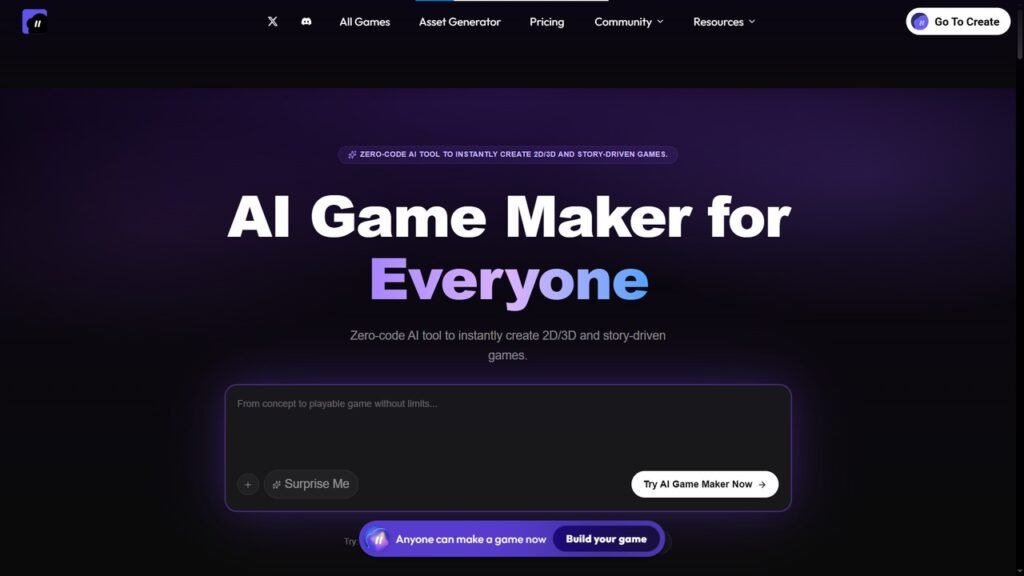
An ai game builder is filling the gap by making the realization of “what if this was a game” a possibility rather than an aside. You describe the campaign concept, the brand elements, and the mechanic you’re picturing, and a working build comes back fast enough to fit inside a normal campaign timeline rather than requiring a separate production track.
From Brainstorm to Brief
The most common mistake teams make is converting a vague concept into a good, concise brief that the platform can follow. The prompt “Something fun and interactive” is not usable. The giveaway is “A 30 second matching game where the discount code is revealed at the end using our new product line’s packaging. Take a bit more time to flesh out your brainstorm note into specifics, mechanics, tone, branding elements and desired outcome before you sit down to build, and the first draft you get back will need little rework.
Our reference of the principle of games is useful to use as a guide to turning an abstract idea into a concrete description of a mechanism that yields a good initial game build.
Matching the Game to the Campaign Goal
The game structure should be different depending on the campaign goal. A brand awareness push requires a simple yet impactful, shareable visual. A lead generation campaign is aided by a natural endgame in which players are encouraged to capture an e-mail address or enter a discount code. A product introduction needs a game that truly reflects the product, not just background entertainment with a logo. A casual games format is suitable for most awareness campaigns when there is a desire to share, but the load on the optimization server is not high.
Building Fast Enough to Match Campaign Timelines
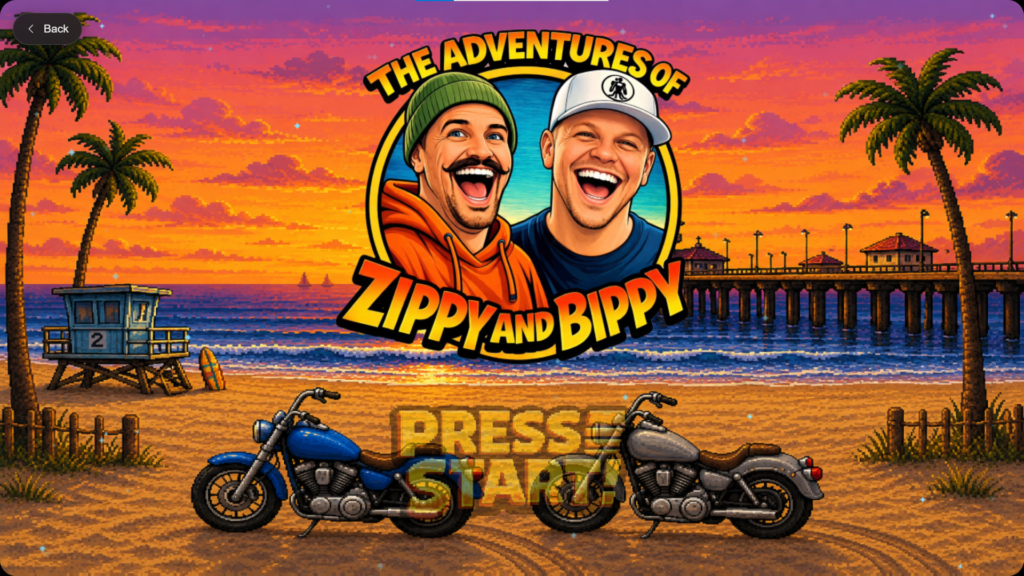
Marketing campaigns tend to have accelerated deadlines, with a launch date determined months in advance and remaining fixed, and a season that ends on a predetermined date. A game concept can transition from a quick idea to a published game in a day or two, meaning it’s possible to include an interactive aspect in campaigns that would not have had time to develop a custom game. This is frequently the reason a game is added to a campaign. The same speed applies when building a more ambitious game with an online 3D game maker online, so it doesn’t take the team longer to build.
Getting Sign-Off Without a Long Approval Cycle
Since the prototype can be built quickly, it is practical to take the time to build a working version of the game concept to show stakeholders for approval, rather than pitching it with mockups and/or a written description. Playing a piece vs. describing a concept and imagining the piece is different, and that can really help move the internal approval button forward on abstract pitches.
Measuring Campaign Impact
Instead of relying on play count alone, monitor metrics that align with your initial objective, such as site metrics corresponding to your site objective, including email captures, discount code redemptions and social shares. Depending on the goal of the campaign, a modest number of plays with a high conversion rate on the action may be a bigger winner than a high number of plays with a lower conversion rate.
A Small Example Worth Stealing
Picture a mid-size retailer planning a back-to-school campaign. A user is given a game called “build your perfect backpack”, where the options are taken from the new backpack collection, and the user is given a personalized discount code based on the backpack they have built. A year ago, the same thought would have been set aside due to a lack of dev resources. Now, the marketing lead explains the concept, receives a working build within a day, tries it with a few colleagues, and ships it together with the campaign assets on time. The brainstorming that used to kill now lives to see launch.
It’s also a great way for smaller marketing teams, who don’t have a big budget for a dedicated agency, to create interactive content that used to be reserved for larger brands, giving them a fighting chance.
See also: Why Are More Businesses Switching to Customised Workwear Telford?
Why This Changes What Teams Pitch
After a marketing team determines that it is feasible to ship a game within the typical campaign window, the types of ideas added to a brainstorm will shift. When concepts are interactive, they become more than “nice ideas, but we don’t have time” and more of a measure of creativity to begin with. The more interactive a campaign is, the more ambitious it will be, and the more memorable it will be over time.