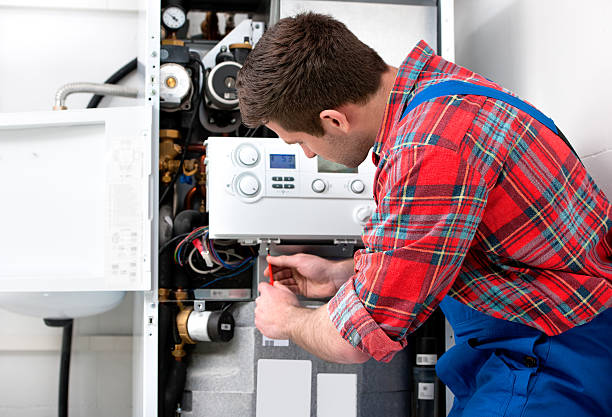
A reliable hot water system is essential for daily comfort, from showering and cleaning to cooking and laundry. When problems start to develop, they are often subtle at first and easy to ignore. However, delaying repairs can lead to complete system failure, water damage, or higher energy bills. A hot water plumber in Northern Beaches can help identify these early warning signs before small issues turn into major disruptions, saving you time, stress, and unnecessary expense.
This article explains the most common signs that indicate your hot water system may need professional attention and why contacting a qualified hot water plumber in Northern Beaches is important when these issues arise.
Why Hot Water Systems Develop Problems
Hot water systems work under constant pressure and high temperatures. Over time, internal components wear out, sediment builds up, and electrical or gas elements can fail. Environmental factors such as water quality, usage patterns, and system age all influence how quickly problems appear.
Ignoring early symptoms often puts additional strain on the system, shortening its lifespan and increasing repair costs.
Inconsistent or No Hot Water
Water Temperature Fluctuations
One of the earliest warning signs is inconsistent water temperature. If hot water turns cold suddenly during use or fluctuates without warning, it may indicate a failing heating element, thermostat issues, or internal component damage.
These temperature changes are not just inconvenient but can also pose safety risks, especially for children and elderly residents.
Complete Loss of Hot Water
If hot water stops entirely, the problem may involve electrical faults, gas supply issues, or a broken heating element. While some causes are minor, others may require urgent repairs to restore safe operation.
Unusual Noises from the Hot Water System
Popping, Banging, or Rumbling Sounds
Strange noises coming from the hot water system often signal sediment buildup inside the tank. As water heats, trapped sediment causes popping or banging sounds, reducing heating efficiency and placing stress on the tank.
Hissing or Whistling Noises
Hissing sounds may point to pressure issues or leaking valves. These noises should never be ignored, as pressure-related problems can lead to system damage or safety hazards if left unresolved.
Discoloured or Smelly Hot Water
Rust-Coloured or Cloudy Water
If hot water appears brown, reddish, or cloudy, it could indicate corrosion inside the tank or deteriorating pipes. Rusty water suggests the internal lining of the tank may be breaking down, which can eventually lead to leaks or complete failure.
Unpleasant Odours
A strong sulphur or rotten egg smell coming from hot water often results from bacterial growth inside the system. While this is not always dangerous, it signals that the system requires cleaning, flushing, or component replacement.
Leaks Around the Hot Water System
Visible Water Pooling
Water pooling around the base of the unit is a clear sign that something is wrong. Leaks may come from loose connections, faulty valves, or cracks in the tank itself.
Hidden or Slow Leaks
Some leaks are less obvious and may only show as dampness, corrosion, or mould nearby. Even small leaks can cause structural damage over time and should be assessed promptly.
See also: 5 Reasons an At-Home STI Test is the Smarter Choice for Modern Healthcare
Reduced Hot Water Pressure
Weak Flow from Hot Taps
A noticeable drop in hot water pressure can indicate sediment buildup, blocked pipes, or failing valves. This issue often affects hot water taps more than cold water outlets.
Pressure Changes During Use
If pressure drops suddenly when multiple fixtures are used, the system may be struggling to keep up with demand, suggesting internal wear or reduced capacity.
Rising Energy Bills Without Explanation
Decreased Efficiency
An aging or malfunctioning hot water system often uses more energy to produce the same amount of hot water. Sediment buildup, worn heating elements, or thermostat problems force the system to work harder.
Continuous Heating Cycles
If the system seems to run constantly, it may be unable to retain heat properly. This not only increases energy costs but also accelerates wear on internal components.
Hot Water System Age and Wear
Typical Lifespan of Hot Water Systems
Most hot water systems have a lifespan of around eight to twelve years, depending on type, maintenance, and water quality. As systems approach the end of their lifespan, repairs become more frequent.
Frequent Repairs as a Warning Sign
If the system requires repeated repairs, it may be more cost-effective to consider replacement. Constant breakdowns indicate that multiple components are reaching the end of their usable life.
Water Taking Longer to Heat
Delayed Heating Times
When hot water takes significantly longer to heat, it often points to failing heating elements or sediment reducing heat transfer. This delay can worsen over time and affect daily routines.
Running Out of Hot Water Quickly
If the system produces less hot water than before, internal capacity may be compromised. This issue is common in systems with heavy sediment buildup or worn components.
Safety Concerns That Should Not Be Ignored
Overheating Water
Water that becomes excessively hot can indicate thermostat malfunction. Overheating increases the risk of burns and may cause pressure buildup inside the system.
Pressure Relief Valve Issues
The pressure relief valve is a critical safety feature. Dripping, leaking, or constant discharge from this valve suggests pressure or temperature problems that require immediate attention.
When to Call a Hot Water Plumber in Northern Beaches
Early Intervention Saves Money
Addressing problems early often prevents major breakdowns and costly replacements. Professional assessment can identify whether a repair or maintenance solution is sufficient.
Professional Diagnosis and Repairs
A licensed hot water plumber in Northern Beaches can accurately diagnose issues, ensure compliance with safety standards, and restore reliable performance. Attempting repairs without proper expertise may worsen the problem or create safety risks.
Preventing Future Hot Water System Problems
Regular Maintenance
Routine inspections, flushing, and component checks can extend the lifespan of a hot water system and maintain efficiency.
Monitoring Performance Changes
Paying attention to changes in temperature, pressure, or noise allows homeowners to act quickly when issues arise.
Conclusion
Hot water systems rarely fail without warning. Inconsistent temperatures, strange noises, discoloured water, leaks, and rising energy bills are all signs that repairs may be needed. Recognising these symptoms early helps prevent inconvenience, damage, and unexpected expenses.
If any of these warning signs appear, contacting a qualified hot water plumber in Northern Beaches ensures the issue is addressed safely and effectively—contact us today to restore comfort and peace of mind for your home.