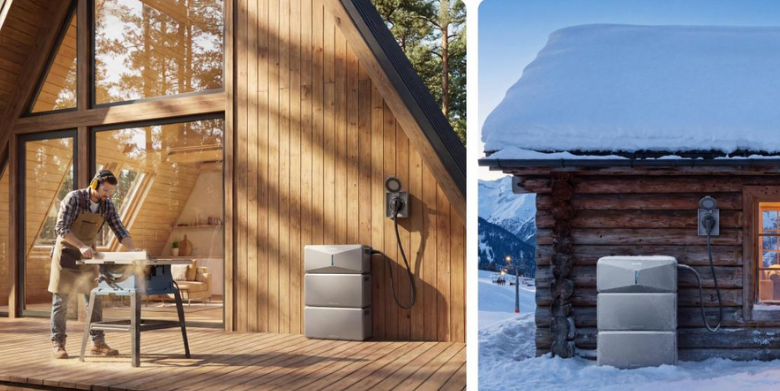
Homeowners aiming for energy independence find battery backup systems crucial. These systems store energy for use when demand peaks or the grid fails. With rising energy costs and frequent outages, battery backups provide a dependable solution. They minimize reliance on the grid, securing an electricity supply for critical needs. Combining with solar technologies elevates their effectiveness, enabling self-sufficiency. As systems like the Anker SOLIX E10 demonstrate, the integration of solar panels and smart generators can enhance energy independence. This article delves into how home battery backups ensure grid independence and outlines strategies for optimizing their use.
How Home Battery Backup Supports Independence?
Battery backup systems bolster energy autonomy by storing power for emergencies and peak consumption times, reducing grid reliance. They can efficiently operate during outages, maintaining essential household functions.
Core Functions of Battery Backup Systems
Battery backup systems perform vital roles in achieving grid independence. Their primary function is to store electricity generated from solar panels or the grid for later use. During outages, they ensure crucial appliances like refrigerators and medical equipment keep running. By balancing the load and discharging stored energy at high-demand times, they reduce strain on the grid, contributing to cost savings. Systems such as the Anker SOLIX E10 remarkably unify battery storage with solar input and generator backup, optimizing functionality. To adapt to evolving energy needs, users can expand capacities up to 90kWh. This flexibility allows households to customize their systems, achieving minimal grid dependency while supporting environmentally friendly power use.
Storing Energy for Peak and Outage Times
Battery backup systems excel in storing energy during solar peak generation periods and discharging it when demand is high or outages occur. They recharge using solar panels or grid electricity when energy is cheap. By storing power generated during these low-demand periods, they provide an uninterrupted energy supply during peak times and outages. Anker SOLIX E10 systems offer a scalable solution with capacities stretching from 6kWh to 90kWh, catering to prolonged outages or increased energy needs. This foresight in energy management ensures homes stay powered amid grid failures, safeguarding household comfort and preventing disruptions.
Solar Integration for Greater Independence
Integrating solar panels with home battery backup systems maximizes energy independence, harnessing renewable energy efficiently. This union reduces grid dependency by boosting self-sufficiency.
Combining Solar Panels With Battery Storage
Linking solar panels with battery storage creates a robust energy solution capable of complete grid independence. Panels generate and send excess electricity into batteries for later use. Systems like Anker SOLIX E10 utilize dual MPPT technology to maximize solar harvest, ensuring batteries charge optimally with up to 27kW solar input. This harmonization allows a consistent electricity supply, even on cloudy days or at night. Battery backups can store surplus solar energy, ensuring households have power irrespective of grid availability. Additionally, homeowners gain resilience during outages, keeping vital systems operational with stored solar energy.
Maximizing Solar Self-Use and Reducing Grid Draw
To optimize energy autonomy, maximizing solar self-use is essential. Battery backups allow homeowners to prioritize solar energy consumption. By storing excess solar power during the day, these systems enable usage in the evening when demand usually spikes. This strategy significantly reduces the need to draw from the grid, cutting energy costs and enhancing independence. Anker SOLIX E10 systems, with their scalable capacity, efficiently store and utilize solar energy as needed. By adjusting configurations, users can ensure minimal grid interaction, leveraging solar-generated electricity to manage typical household energy needs without external help.
Design Choices for True Grid Independence
Achieving grid independence involves strategic design choices for battery backup systems. Key considerations include capacity planning, configuration choices, and prioritizing essential loads.
Battery Sizing and Capacity Planning
Determining the optimal battery size and capacity is critical for grid independence. To meet specific household energy demands, a precise calculation of daily usage and outage duration potential is needed. Anker SOLIX systems offer flexible capacity expansions from 6kWh to 90kWh, accommodating varying needs. Proper sizing ensures adequate power for essential systems during peak hours and outages. Align battery size with projected solar output and generator capacity for seamless functionality. By tailoring these elements, homeowners avoid overreliance on the grid and empower themselves with resilient energy solutions.
Off-Grid vs Hybrid Configurations
Choosing between off-grid and hybrid configurations depends on lifestyle and energy goals. Off-grid systems thrive in remote areas without grid access, producing and storing self-sufficient energy completely. Hybrid systems blend grid and renewable energy sources, offering flexibility and reliability with minimized grid dependence. Anker SOLIX E10 systems can adapt to both configurations, supporting expansion and meeting growing energy needs. Evaluate geographic and consumption conditions to decide on the configuration that aligns best. This selectivity nurtures independence while ensuring energy security during varying daily and seasonal conditions.
Critical Load Prioritization
Critical load prioritization refers to managing energy supply to important devices during scarce power availability. It guarantees that significant appliances, like medical devices and heating systems, receive energy during outages. Proper planning and system design identify these priority loads and configure battery backups to maintain them. Systems like Anker SOLIX E10 can effectively meet critical loads with sufficient capacity, ensuring resilience during power shortages. By determining priority, homeowners reinforce essential operations, maintaining security and comfort. This practice aids grid independence, affirming energy supply stability amidst fluctuating conditions and providing peace of mind.
Conclusion
The home battery backup systems are pivotal to achieving energy independence. They store and manage power from renewable and traditional sources to reduce grid reliance. Integrating systems like Anker SOLIX E10 with solar panels allows for a consistent energy supply, optimizing self-use and minimizing external draw. Thoughtful capacity planning, configuration choices, and prioritization of critical loads enhance effectiveness. By adopting these strategies, homeowners not only secure continuous energy provision but also contribute to sustainable practices. Battery backups are key to creating an economical, reliable, and independent energy ecosystem that sustains every household’s needs amid dynamic demands.