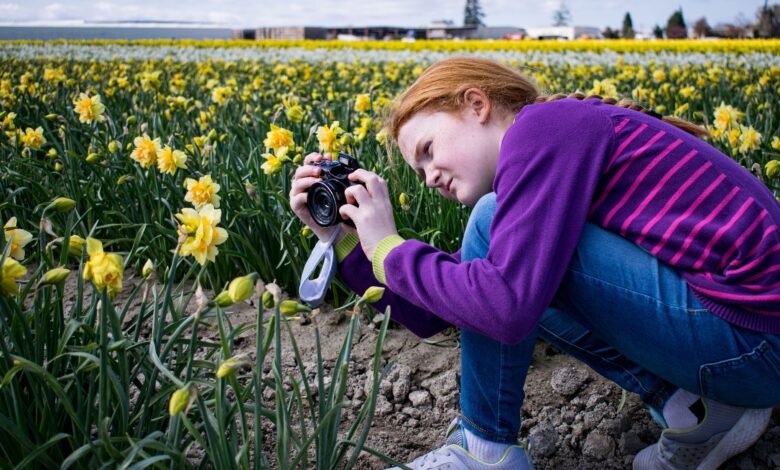
A garden changes in ways that are easy to miss when you see it every day. One week the roses are tight buds, the next they are fully open, and before long the leaves have turned and started to fall. If you love taking photos while traveling, the same kind of storytelling can work beautifully at home. A travel photo album is not just for airports, landmarks, and city streets – it can also become a visual record of your garden moving through the seasons.
The appeal is simple. Gardens are full of small, repeated changes that feel meaningful when you place them side by side. A photo album helps you turn those changes into a story, one that shows time passing in a way that even memory cannot.
Why a travel photo album works for garden photography
Most people think of photo albums as a way to preserve a trip, but the structure works just as well for a garden. Both are about place, mood, and change. A garden has its own seasons, and each one tells a different part of the story.
Unlike a phone gallery, an album gives your photos a clear beginning, middle, and end. That makes it easier to notice patterns such as the first signs of spring, the heavy fullness of summer, or the quiet shapes of winter. In other words, it turns random snapshots into a narrative.
This approach also helps you slow down. Instead of taking a few photos and forgetting about them, you start looking more closely at light, color, texture, and growth. That is where the beauty of seasonal garden photography really comes alive.
Planning your seasonal garden photo story
A good garden photo album starts with a simple plan. You do not need to shoot every plant every week. Instead, decide which parts of the garden change the most and which details matter most to you.
Think about the story you want the album to tell. Do you want to show the full transformation of one flower bed, or document the whole garden through spring, summer, autumn, and winter?
Both work well, but choosing one direction makes the project feel more focused.
It also helps to pick a repeatable subject. A favorite tree, a patio corner, a raised bednear the door can become a visual anchor. When you photograph the same spot across the year, the differences become much easier to see.
How to photograph your garden through the seasons
Use the same viewpoint when possible
Consistency matters more than expensive equipment. Try to take some of your photos from the same angle each time, so the changes in plants and light are obvious. If you stand in the same place and use a similar framing, the album will feel more coherent.
You can still vary the shots for interest, but a few repeated views should act as your main thread. Think of them as the “chapter markers” in your album. They help the seasons connect.
Pay attention to light and weather
Garden photos change a lot depending on the light. Early morning can make leaves look soft and fresh, while late afternoon often brings warmer tones and longer shadows. Cloudy days are useful too because they reduce harsh contrast and bring out details.
Weather also adds emotion to the story. A spring shower on petals, summer dust on paths, or frost on branches can make the garden feel alive in a very specific moment. These images often become the most memorable because they capture atmosphere, not just appearance.
Include close-ups and wider scenes
A strong garden album usually mixes both detail and context. Wide shots show the overall seasonal shift, while close-ups reveal smaller signs of change, like new buds, seed heads, or leaf color.
This balance keeps the album from feeling repetitive. It also gives viewers a fuller sense of the garden experience. You are not just showing what the garden looks like – you are showing how it feels to be inside it.
Choosing the best photos for your album
When you review your images, focus on variety and clarity. Not every photo needs to be included, even if you took many. A smaller set of strong photos usually tells the story better than a crowded album.
Look for images that show clear seasonal markers. For example, one photo might capture the first blossom of spring, another the peak of summer growth, and another the bare outlines of winter. Those moments give the album rhythm.
It also helps to include a few “in-between” images. These are the shots that show the garden changing gradually, rather than only at its most dramatic. Often, these are the photos that make the seasonal progression feel most real.
See also: The New GLP-1 Pill: What It Actually Does, and What Nobody Tells You About Getting There
Designing the album so the seasons feel connected
The layout of your photo album can shape how people experience the story. If you place the photos in seasonal order, the changes unfold naturally. You can start with early spring and move through the year, or arrange the album around weather, colors, or specific plants.
Captions can make a big difference, too. A short line such as “first tulips after a cold March” or “the path after the first frost” adds context without overwhelming the image. These details help the album feel personal and grounded.
If you want a polished result, consider creating your garden album in the same careful way you would design a travel keepsake. A well-made travel photo album gives your seasonal images a sense of place and permanence, turning everyday views into something worth revisiting.
Simple ways to make the album more meaningful
The best albums often include more than just pretty pictures. Small details can help capture the character of the garden and the feeling of each season. A photo of muddy boots by the door, a watering can by the herbs, or fallen petals on a bench can say as much as a wide landscape shot.
You might also add a few personal notes. Write down when a plant first bloomed, what surprised you about the weather, or how the garden changed after a storm. These observations make the album feel like a record of your own experience, not just a collection of images.
If you keep the album going year after year, it becomes even more valuable. You may start to notice which plants always bloom early, how much shade the trees create over time, or how the garden responds to drought, rain, or cold. That kind of long view is what makes seasonal photography so rewarding.
Conclusion
Capturing your garden’s seasonal changes in a travel photo album is a simple but powerful way to preserve time. It helps you notice details you might otherwise overlook and gives your garden a story you can hold in your hands.
Start with one spot, one plant, or one season, and build from there. Keep the approach steady, choose your favorite images with care, and let the year unfold page by page. In the end, you may find that your garden has become one of the most rewarding places you have ever documented.