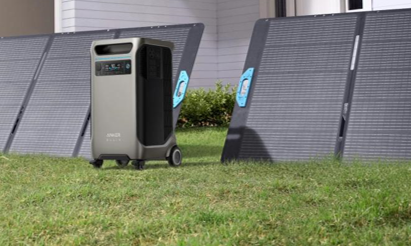
Solar panels are designed to operate quietly in the background, often producing electricity for years without much attention. Because there are no moving parts, many homeowners assume everything is fine unless the system completely shuts down. In reality, performance can decline gradually due to shading, dirt, aging components, or inverter issues. Small drops in output may go unnoticed until electric bills increase or monitoring apps show unexpected changes. Regular checks do not require technical expertise, only a bit of awareness and consistency. In this article, practical ways to confirm that solar panels are working properly are explained step by step.
1. Watch the Inverter
The inverter is the central component that converts the panels’ direct current into usable household electricity. Most inverters include indicator lights or digital displays that show system status. A steady green light usually signals normal operation, while red or flashing indicators may point to faults. Error codes often provide specific clues, such as grid disconnection or overheating. Checking the inverter regularly ensures problems are caught early rather than after weeks of reduced output. A quick glance at this device can provide valuable reassurance that energy is flowing correctly.
2. Check Your Monitoring App
Compare Today’s Output to Yesterday
Most modern solar systems include monitoring apps that display daily production figures. Comparing today’s output to yesterday’s can reveal sudden changes. Minor variations are normal due to cloud cover or temperature shifts. However, a sharp drop on a similarly sunny day may signal an issue. Observing patterns over consecutive days provides clearer insight. Consistent tracking builds familiarity with expected performance levels.
Spot Patterns Over Weeks and Months
Beyond daily comparisons, reviewing weekly and monthly trends offers a broader perspective. Seasonal sunlight differences naturally influence production. Winter months typically generate less energy than summer due to shorter daylight hours. Gradual declines over several months may suggest dirt accumulation or shading growth. Long-term monitoring helps distinguish normal seasonal variation from mechanical issues. Regular review strengthens confidence in system performance.
Get Alerts for Sudden Drops
Many monitoring platforms provide automatic alerts when output falls below expected thresholds. These notifications allow homeowners to respond quickly rather than discovering problems later through higher bills. Sudden drops can indicate tripped breakers, inverter shutdowns, or wiring faults. Early detection reduces downtime and protects system components. Enabling alerts ensures no major change goes unnoticed. This proactive feature adds an extra layer of protection.
3. Look at Your Electric Bill
Compare to Same Month Last Year
Electric bills provide another valuable reference point. Comparing the same month year over year accounts for seasonal differences. If solar panels were producing adequately last July, but this July shows significantly higher grid usage, something may have changed. Weather variations can explain small differences, but large spikes deserve investigation. Reviewing past billing statements provides context beyond daily app data. Bills offer a straightforward confirmation of real-world savings.
Unexpected Bill Increases Signal Trouble
A noticeable increase in utility costs without a corresponding rise in household usage can indicate solar underperformance. New appliances or lifestyle changes should be considered first. If energy habits remain stable, lower solar production may be the cause. Cross-checking billing data with monitoring app readings clarifies the situation. Sudden cost increases often motivate closer inspection. Addressing problems early preserves long-term savings.
4. Inspect Panels Physically
Visual inspections can reveal simple but impactful issues. Dirt, pollen, bird droppings, or fallen leaves may partially block sunlight. Over time, even thin layers of debris reduce output efficiency. Growing tree branches can introduce new shading that was not present during installation. Severe weather events may also cause cracks or loose connections. A careful ground-level inspection, or professional check when necessary, helps identify these visible concerns before assuming equipment failure.
5. Compare to Expected Output
Use Online Tools to Estimate Pes
Seasonal sun angles and daylight length significantly affect solar generation. Summer typically brings peak production, while winter sees lower totals. Cloudy seasons may temporarily reduce output even if the equipment functions properly. Understanding these patterns prevents unnecessary concern during expected dips. Comparing output year over year offers the most accurate picture. Seasonal awareness supports realistic expectations.
See also: Why You Should Consult a WorkCover Lawyer for Claim Protection
6. When to Repair or Upgrade
Inverters Fail After 10–12 Years
Inverters typically have shorter lifespans than solar panels. After 10 to 12 years, performance issues may begin to appear. Signs include frequent shutdowns, inconsistent output, or visible error codes. Replacing the inverter often restores system efficiency without replacing panels. Timely replacement avoids prolonged energy losses. Monitoring inverter age helps anticipate potential issues.
Panel Efficiency Drops With Age
Solar panels gradually lose a small percentage of efficiency each year. Most high-quality panels degrade slowly, but older systems may produce noticeably less power after 20 years. This decline is often predictable and included in manufacturer warranties. Comparing long-term production trends highlights aging effects. Gradual reduction is normal, but sudden drops require attention. Understanding degradation prevents unrealistic expectations.
Newer Panels Offer Much Better Output
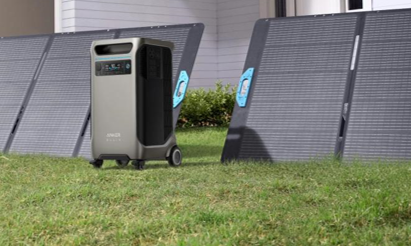
Advancements in solar technology have significantly improved panel efficiency and durability. Modern panels solar home systems often generate more electricity within the same roof space compared to installations from a decade ago. Some updated options, including Anker Solar Panels, use high-efficiency cells designed to capture more sunlight in limited areas, making them practical for homeowners considering expansion or replacement. Higher conversion rates and stronger materials help maximize output even in less-than-ideal conditions. Upgrading older arrays can increase total production without expanding the roof footprint. Evaluating the current system’s age against modern capabilities helps determine whether replacement offers long-term value.
Conclusion
Determining whether solar panels are working properly does not require advanced technical skills. Regularly checking the inverter, monitoring app, and electric bills provides clear indicators of system health. Visual inspections and production comparisons add further reassurance. Seasonal awareness prevents confusion during normal fluctuations. When components age or technology advances, repairs or upgrades may restore or improve performance. With consistent attention and informed decisions, solar panels can continue delivering reliable and efficient energy for many years.