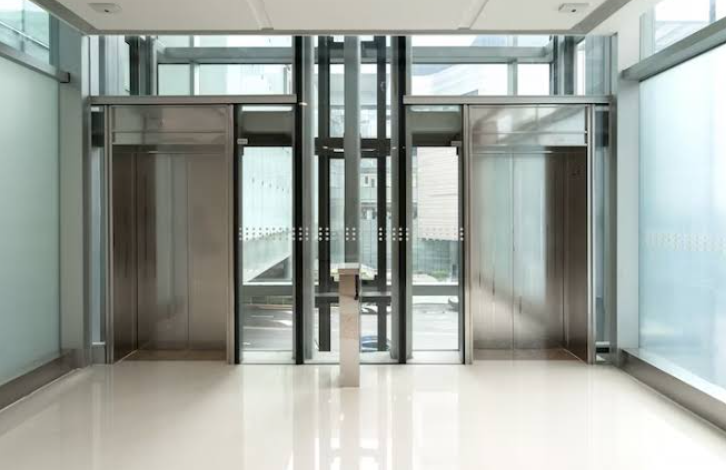
Glass elevators are no longer just for skyscrapers and shopping malls. More homes, offices, and small buildings are adding them for both style and function.
This guide breaks down the 7 main types of glass elevators, their benefits, and practical tips to help you choose the right one for your project and budget.
Table of Contents
- What Are Glass Elevators?
- 1. Fully Enclosed Glass Elevators
- 2. Panoramic Glass Elevators
- 3. Home Glass Elevators
- 4. Freight-Capable Glass Elevators
- 5. Curved Glass Elevators
- 6. Rotating Glass Elevators
- 7. Outdoor Glass Elevators
- Benefits of Glass Elevators
- How to Choose the Right Glass Elevator
- Cost Guide
What Are Glass Elevators?
A glass elevator uses transparent or partially transparent panels instead of solid walls, letting passengers see their surroundings during the ride. They are used in homes, offices, hotels, and public buildings for both looks and practicality.
1. Fully Enclosed Glass Elevators
These elevators use glass on all four sides, offering a complete 360-degree view. They are popular in atriums and lobbies where the building itself is part of the visual experience.
2. Panoramic Glass Elevators
Mounted on the outside of a building, panoramic glass elevators give riders a sweeping view of the surrounding area. They are common in hotels, resorts, and observation towers.
3. Home Glass Elevators
Designed for residential use, these smaller glass elevators fit into homes with multiple floors, adding both accessibility and a modern design touch to staircases or open spaces.
4. Freight-Capable Glass Elevators
Built with reinforced glass and stronger frames, these elevators handle both passengers and light freight, making them a practical choice for commercial buildings that need dual functionality.
5. Curved Glass Elevators
Using a curved glass arch instead of flat panels, this design gives a wider field of view and a softer, more modern look, often chosen for luxury hotels and upscale retail spaces.
6. Rotating Glass Elevators
These elevators slowly rotate as they move between floors, giving passengers a full panoramic experience. They are often installed as a signature feature in high-end towers and observation decks.
7. Outdoor Glass Elevators
Installed on the exterior of a building, outdoor glass elevators need extra weatherproofing and drainage design, but they offer some of the most dramatic views available.
Benefits of Glass Elevators
- Bring more natural light into interior spaces, making buildings feel larger and brighter.
- Add a strong visual centerpiece that boosts a building’s architectural value.
- Improve the overall guest or visitor experience in hotels, malls, and museums.
- Support accessibility needs while still looking modern and stylish.
- Increase property value in both residential and commercial buildings.
How to Choose the Right Glass Elevator
- Think about placement first, since interior and exterior models have very different requirements.
- Choose tempered or laminated safety glass, which is required in most building codes.
- Plan for maintenance access, since glass panels need regular cleaning to stay attractive.
- Match the design to your building’s existing architecture and interior style.
- Work with an experienced elevator company familiar with local safety codes.
Cost Guide
| Glass Elevator Type | Typical Price Range |
| Home glass elevator | $25,000 – $60,000 |
| Interior panoramic elevator | $50,000 – $120,000 |
| Outdoor or high-rise panoramic elevator | $100,000 – $300,000+ |
Frequently Asked Questions
Are glass elevators safe?
Yes, when built with tempered or laminated safety glass and installed to local building codes, glass elevators are just as safe as traditional enclosed elevators.
Can I install a glass elevator in a home?
Yes, smaller home glass elevators are designed specifically for residential use and can fit into multi-story houses without major structural changes.
How much does a glass elevator cost?
Prices generally range from $25,000 for a home elevator to over $300,000 for a large outdoor or high-rise panoramic model.
Do glass elevators need special maintenance?
Yes, beyond standard mechanical maintenance, glass panels need regular cleaning and periodic inspection to check for scratches or structural wear.
What is the difference between an observation elevator and a glass elevator?
They are closely related terms. Observation elevator usually refers to the scenic viewing function, while glass elevator refers to the transparent construction material used to build it.
See also: Commercial Pest Control Strategies for Chelmsford Businesses
Conclusion
Glass elevators bring style, light, and a memorable experience to any building, whether it is a private home or a high-rise hotel. With seven different types to choose from, there is a design that fits nearly any space and budget.
Before you commit, think carefully about placement, safety glass requirements, and long-term maintenance. The right glass elevator can become one of the most talked-about features of your entire property.