Power outages may affect anything from food storage to internet access. Choosing the correct home backup power system guarantees that your critical equipment remains operational when the grid fails. Before you buy, think about what you need to power, how long you’ll need backup, and which system is best for your area and lifestyle. With alternatives ranging from fuel-powered generators to clean, silent battery systems, the optimal solution strikes a compromise between performance, affordability, and convenience. This article discusses how to assess your power requirements, compare different system types, and make an informed selection. A well-chosen backup system provides comfort, protection, and peace of mind—even when the lights go out.
What Does Your Home Really Need from Backup Power?
Identify Essential Loads and Appliances
Begin by preparing a list of the important goods you’ll need during a power outage. These usually include your refrigerator, lights, router, phone chargers, and potentially medical equipment such as a CPAP machine. If you work from home, your computer and modem may be very important. Include heating or cooling systems appropriate for your climate. Make a note of the wattage for each item and if it must operate constantly or only at specific periods. Sort objects by priority—what is absolutely required vs what is good to have. This step prevents you from splurging on an excessively big system or underestimating what is required to stay comfortable and secure.
Estimate Power Capacity and Runtime
After you’ve listed your important gadgets, figure out how much power they use and how long you need them to operate. Multiply the wattage of each item by the number of hours per day you want to use it. Add the totals to get your daily energy needs in watt-hours. A 100-watt appliance, for example, uses 1,000 watt-hours during the course of 10 hours. If you anticipate a multi-day outage, multiply by the number of days. This provides you with a better understanding of how much battery or fuel capacity your backup system should provide. Proper size guarantees that your system has enough power to go through interruptions without running out.
Understand Outage Frequency and Duration
Your location is an important consideration when selecting a backup solution. Frequent, brief outages necessitate rapid, automated solutions that require less maintenance. Rare but prolonged outages may necessitate higher capacity or fuel-based systems. Consider weather trends, utility dependability, and whether you live in a rural or urban environment. Also, evaluate how fast local agencies respond to storms or power outages. The more frequently your power goes out—or the longer it stays out—the more you’ll benefit from a reliable system. Understanding your normal outage profile ensures that you do not overinvest or underinvest, and it allows you to select a solution that is appropriate for your situation.
Which Type of Home Backup Power System Is Right for You?
Standby and Portable Generators
Standby generators supply whole-house electricity and start automatically during outages. They run on propane or natural gas, need skilled installation, and are extremely reliable. Portable generators are less expensive, require manual operation, and work best with extension cables to power a few important appliances. However, due to carbon monoxide dangers, they must be used outside and require frequent fuel refilling. Both versions are strong yet loud, requiring regular maintenance. Choose standby for convenience and long-term dependability, especially if outages occur frequently. Choose a portable device for cost-effective, short-term use during periodic disruptions or crises.
Home Battery Backup Systems
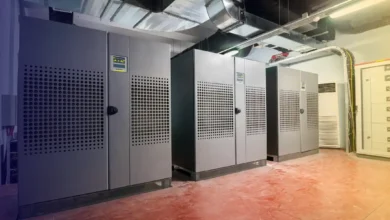
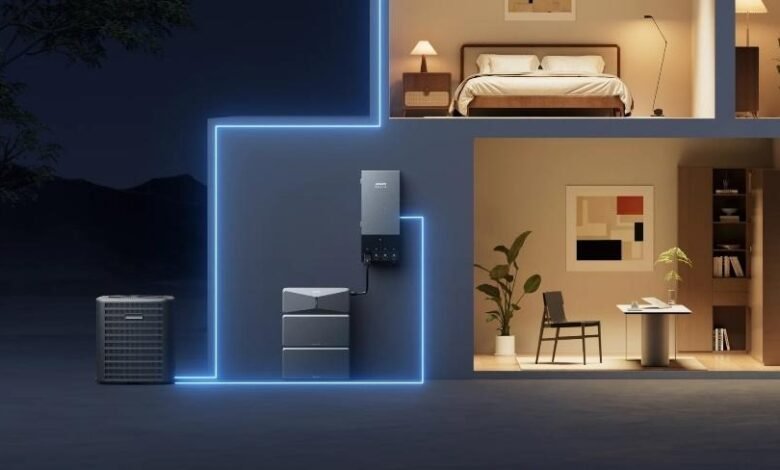
Home battery systems store electricity and provide clean, quiet power during outages. Most employ lithium-ion or LiFePO₄ batteries, which can power basics like lights, Wi-Fi, and refrigerators for hours or days, depending on size. Many systems are compatible with solar panels for off-grid operation and recharge. Battery backups, unlike fuel generators, work silently, require no fuel, and are suitable for interior usage. Installation is simple; however, it is usually necessary to use a professional electrician. These systems are perfect for homes seeking low-maintenance backup with less noise and pollution. Battery backup for the house is a dependable and environmentally friendly alternative for safety-conscious families and urban dwellers.
Solar and Hybrid Backup Solutions
Solar backup systems use rooftop panels and batteries to provide renewable energy during outages. They recharge throughout the day, store electricity for nighttime usage, and lessen reliance on the grid. Hybrid systems can be equipped with generators for longer outages. While the initial cost is greater, solar systems are eligible for tax breaks and cheaper long-term energy expenses. They operate silently, need minimal maintenance, and may be readily expanded with extra panels or batteries. These systems are ideal for residences with ample sun exposure and owners seeking renewable energy alternatives. If you desire backup power and long-term savings, a solar or hybrid system could be the best option.
How to Compare Features, Costs, and Installation Factors?
Safety, Reliability, and Maintenance
Safety should always come first. To minimize carbon monoxide accumulation, fuel generators must be placed outside, and fuel must be stored properly. Battery systems, on the other hand, emit no pollutants and provide built-in safeguards such as heat management, short-circuit protection, and surge suppression. The frequency with which a system is tested and maintained determines its reliability. Generators require oil maintenance, filter replacement, and fuel cycling. Batteries require far less maintenance, although they should be checked on a regular basis for performance. Select a system with adequate safety certifications and excellent manufacturer support. The system’s long-term dependability is determined by both its design and maintenance.
See also: Challenges of Detecting Content Made With AI Face Swap Technology
Installation Requirements and Space Planning
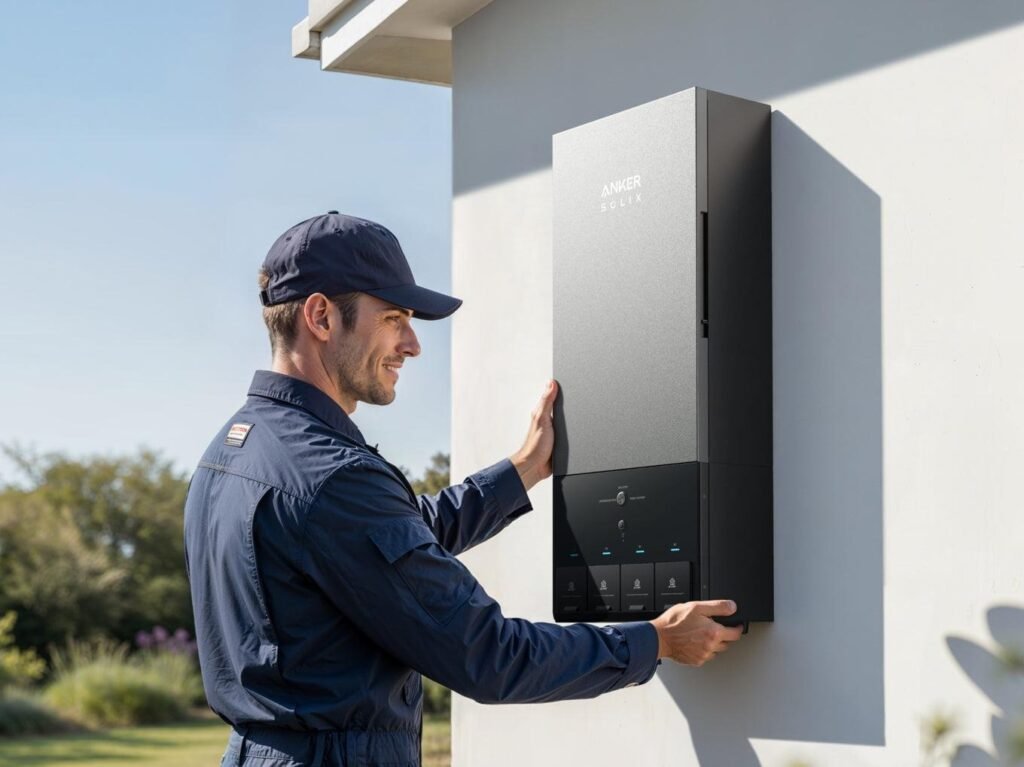
Each backup solution has unique space and setup requirements. Standby generators require a concrete platform, an outside area with ventilation, and a fuel connection. Portable generators require dry outside storage and easy access to fuelling. Battery systems are smaller and may be wall-mounted within a garage or utility room. Solar systems require roof space with direct sunlight exposure and an inverter location. Before installing any system, check your local ordinances and HOA guidelines. Consider the noise levels, wiring requirements, and placement of your home’s main electrical panel. Planning for space and installation helps to eliminate delays, safety hazards, and costly last-minute changes.
Budget, Incentives, and Long‑Term Value
Backup systems vary in price based on their size, functionality, and fuel type. Portable generators are inexpensive, but backup and battery systems may cost more than $10,000. Solar solutions may cost more up front, but they frequently qualify for tax credits and rebates, lowering the net investment. When combined with solar or time-of-use rate schemes, battery solutions can reduce power costs significantly. Consider operational expenditures such as gasoline, maintenance, and prospective improvements. A greater initial cost may be justified by increased efficiency, silent operation, and lower danger of failure. When evaluating systems, consider their whole worth rather than simply the sticker price. The ideal investment strikes a mix between cost, dependability, and long-term success.
Conclusion
Choosing a home backup power system begins with determining what you need to power, how long you’ll need it, and how frequently outages occur. Once you’ve determined your critical loads, compare system types (generators, batteries, and solar hybrids) to discover the one that best suits your lifestyle, budget, and safety requirements. Consider installation space, operational expenses, and potential incentives before making a selection. Whether you choose a fuel-powered generator or a clean battery backup for home use, the right system keeps your family safe and comfortable during outages. Plan ahead, size correctly, and invest wisely to ensure reliable backup power when you need it most.