Campers rely on portable power to support lighting, navigation tools, refrigeration, and everyday electronics. For years, fuel generators served as the primary off-grid option. Now, solar panels offer a cleaner, quieter, and more adaptable alternative. Understanding how these two power sources differ helps campers choose the right solution for their style of travel. A portable model such as the Anker SOLIX PS200 Portable Solar Panel fits naturally into this comparison because it combines high-efficiency monocrystalline cells, adjustable angles, durable weather protection, and a compact folding design. Looking at how each power system performs in real outdoor conditions reveals where they diverge and how they shape modern camping strategies.
Key Differences Campers Notice When Comparing Solar and Fuel Power
Portability Shapes How Easily Campers Move Between Locations
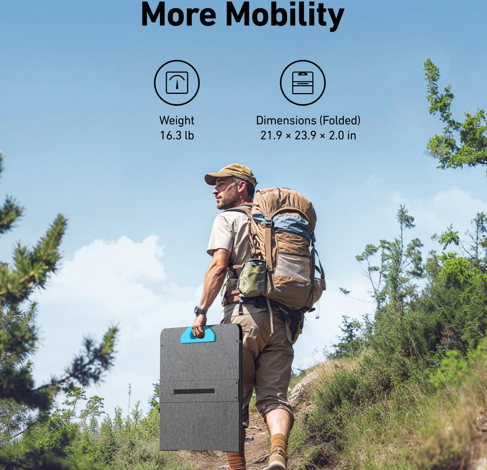
Fuel generators often limit mobility because they require fuel containers, protective storage, and careful handling due to weight and ventilation needs. They also introduce noise, which makes them inconvenient for campsites where quiet surroundings matter. Solar panels change this entire dynamic. A portable solution such as the Anker SOLIX PS200 Portable Solar Panel folds down to 21.9 × 23.9 × 2 inches and weighs 16.3 lb, making it easy to carry between tent areas, rest points, and clearing spots. Its slim unfolded length provides broad sunlight exposure without taking up bulky space. Campers who move frequently—whether hiking between lookouts or repositioning within a campsite—find solar far more adaptable. This difference in portability encourages lighter packing, smoother movement, and more flexibility when choosing where to camp.
Energy Supply Behaves Differently in the Field
Fuel generators provide steady wattage as long as fuel remains available. Many campers appreciate the predictability of constant output but must also manage fuel storage, refill planning, and transportation. Solar panels operate on sunlight, making the energy supply renewable and silent. With the PS200’s high conversion efficiency—thanks to its monocrystalline cells and sunlight-trapping surface—campers gather strong energy during peak sun hours without needing consumable supplies. Angle adjustments at 30°, 40°, 50°, and 80° allow campers to refine collection even when sunlight shifts through the day. Solar’s renewable nature appeals to campers who want daily charging without extra weight or planning around fuel stops. The tradeoff is simple: generators rely on fuel availability, while solar relies on sky conditions. Each has its strengths, but solar changes how power management feels from hour to hour.
Environmental Impact Influences Camping Style
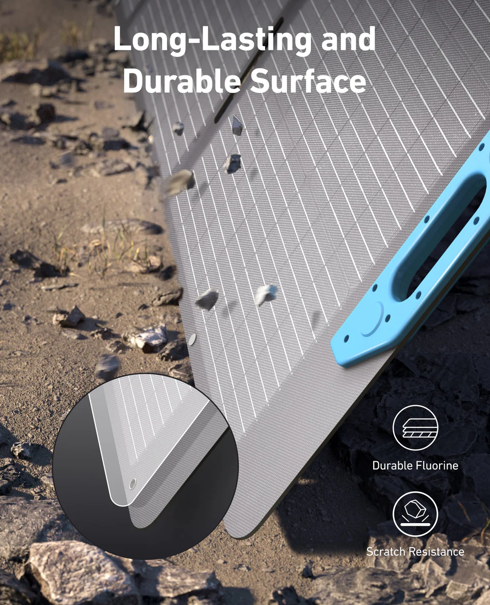
Fuel generators introduce emissions, odors, and sound, which push some campers to set them far from tents or cooking areas. They also shape campsite layouts because they require safe placement on stable ground. Solar panels create a different experience. With no fumes or noise, they integrate smoothly into quiet settings such as lakesides, forest openings, and ridge camps. The PS200 strengthens this advantage further with IP67 waterproof protection, allowing deployment even when the weather becomes unpredictable. Solar aligns naturally with low-impact camping practices, reducing environmental disturbance while delivering dependable daily power. Campers who prioritize minimal footprint often consider solar the more compatible option for extended stays or scenic environments where tranquility matters.
How Solar and Fuel Choices Shape Trip Planning and On-Site Routines
Maintenance and Setup Habits Differ Greatly
Fuel generators require routine checks such as oil levels, ventilation space, engine condition, and proper fuel storage. Campers must also start and stop the unit manually, sometimes multiple times a day. Solar panels remove nearly all maintenance concerns. A panel like the PS200 only needs positioning in sunlight and occasional angle adjustments. Its durable structure and waterproof design simplify long-term use, especially during multi-day trips where weather changes quickly. Campers spend less time managing equipment and more time enjoying the environment. The shift from mechanical upkeep to simple light-based operation appeals to beginners and experienced travelers who prefer low-effort solutions.
Noise and Comfort Levels Influence Camping Behavior
Fuel generators create continuous operational noise that can interrupt sleep, conversations, and the natural atmosphere of a campsite. Many campgrounds restrict generator hours for this reason. Solar panels, by contrast, operate silently, allowing campers to charge devices without altering the soundscape. Because the PS200 remains quiet and stable during operation, campers can keep it near tents or cooking setups without disturbance. This difference affects daily routines: solar encourages relaxed mornings, quiet evenings under the stars, and uninterrupted rest. Comfort becomes part of the energy strategy when sound disappears from the equation.
Cost Behavior Changes Over the Course of a Trip
Fuel generators carry recurring costs because they rely on gasoline, which varies in price depending on location and supply. Longer trips require more fuel planning and budgeting. The camping solar panels concentrate most costs upfront. Once purchased, they generate power freely as long as sunlight remains available. A panel like the PS200 provides ongoing charging at no additional daily cost, which makes it economically appealing for frequent campers or extended expeditions. Campers taking multi-week trips often favor solar because it eliminates fuel expenses and reduces supply-run interruptions. Over time, solar transforms from a gear investment into a predictable energy source that adapts to the environment instead of the wallet.
Integration with Camping Gear Changes Power Strategies
Fuel generators usually require power strips, grounded placement, and distance from sensitive equipment. Their output suits large appliances but can overwhelm smaller devices without proper regulation. Solar panels integrate more seamlessly with everyday camping electronics. The PS200 includes extension cables and a connector that fit easily into standard portable power stations, providing smooth charging for phones, lanterns, cameras, and small appliances. Campers who rely on lightweight gear or rechargeable tools find solar easier to pair with their packing style. This simplicity shifts trip planning away from complex electrical setups toward a streamlined energy system centered on renewable sunlight and predictable charging routines using one camping solar panel as a versatile power source.
See also: Why You Should Consult a WorkCover Lawyer for Claim Protection
Conclusion
Camp solar panels and fuel generators differ in portability, energy behavior, environmental impact, and overall trip experience. Solar provides quiet, renewable, low-maintenance power that integrates naturally into the rhythm of outdoor life. Fuel generators offer steady output but require ongoing fuel planning and introduce noise and emissions. A compact, efficient solution such as the Anker SOLIX PS200 Portable Solar Panel highlights the modern advantages of solar by delivering durable performance, adjustable sunlight capture, and convenient portability for a wide range of camping environments. When campers compare both options, solar often becomes the more harmonious fit for self-sufficient, low-impact travel—especially on trips where mobility, simplicity, and comfort matter most.