Rising summer temperatures place noticeable pressure on household electricity use, especially in densely populated urban areas. Air conditioning, refrigeration, and electronic devices often run for longer hours as families try to stay comfortable indoors. During peak demand periods, this increased usage can lead to higher utility bills and occasional grid strain. Small adjustments in daily routines and smarter energy choices can significantly reduce pressure on both home systems and overall consumption. In this article, practical strategies urban families can use to manage summer electricity peaks while maintaining comfort and convenience are explained.
1. Smart AC Management
Set thermostat higher when out
Air conditioning systems consume the most electricity during summer, especially when cooling empty homes. Raising the thermostat a few degrees while no one is home reduces unnecessary energy use without sacrificing comfort later. Programmable or smart thermostats make these adjustments automatic and consistent. Even a small temperature increase can lead to noticeable energy savings over the course of a season. This simple habit helps reduce peak demand during the hottest hours of the day.
Use fans with AC for better cooling
Ceiling fans and portable fans improve air circulation, making rooms feel cooler even at slightly higher thermostat settings. Moving air helps evaporate moisture from the skin, which enhances comfort without requiring extra cooling power. Using fans alongside air conditioning allows systems to run less frequently or at lower intensity. Fans generally consume far less electricity than AC units, making them an efficient companion. This combination approach balances comfort and energy savings effectively.
2. Shift High-Use Activities
Do laundry early morning or late night
Washers and dryers generate both heat and significant electricity demand. Running these appliances during cooler early morning or late evening hours reduces strain on the home during peak afternoon periods. Lower ambient temperatures also help dryers work more efficiently. Many utility providers structure rates around peak and off-peak times, making schedule shifts financially beneficial as well. Planning laundry routines around these hours can contribute to meaningful seasonal savings.
Avoid oven use during hot afternoons
Ovens release large amounts of heat into kitchens, which can cause air conditioners to work harder. Preparing meals earlier in the day or using alternatives like microwaves, slow cookers, or outdoor grills helps reduce indoor heat buildup. Cooler cooking methods keep homes more comfortable without increasing cooling loads. Even small changes in meal timing can lower energy use during critical afternoon peaks. This approach supports both comfort and energy efficiency.
3. Reduce Heat Buildup
Close blinds during hottest hours
Sunlight entering through windows significantly raises indoor temperatures during summer. Closing blinds or curtains during the brightest part of the day blocks solar heat gain and keeps rooms cooler. Reflective or thermal window coverings can further improve insulation against heat. This passive cooling strategy reduces reliance on air conditioning systems. Less heat entering the home means less energy required to maintain a comfortable indoor environment.
Use exhaust fans when cooking
Cooking releases both heat and humidity, which can make indoor air feel warmer and heavier. Using kitchen exhaust fans helps remove hot air and moisture before they spread throughout the home. Bathroom exhaust fans can also reduce humidity after showers, easing the burden on cooling systems. Lower indoor humidity allows air conditioners to operate more efficiently. These small ventilation habits help maintain a cooler and more comfortable home overall.
4. Upgrade for Efficiency
Replace old AC units
Older air conditioning systems often consume more electricity while delivering less effective cooling. Modern high-efficiency units use advanced compressors and refrigerants to reduce power consumption. Upgrading equipment can result in noticeable reductions in summer energy bills over time. Proper sizing and professional installation also play a role in maximizing performance. Investing in efficient cooling technology supports long-term energy management.
Switch to LED bulbs
Traditional incandescent bulbs release a significant portion of energy as heat rather than light. LED bulbs use far less electricity and produce minimal heat, which is especially beneficial during summer. Reduced indoor heat from lighting lessens the load on air conditioning systems. LEDs also last longer, lowering replacement frequency and maintenance costs. This simple upgrade offers both immediate and long-term energy benefits.
5. Explore Solar Options
Consider rooftop solar panels
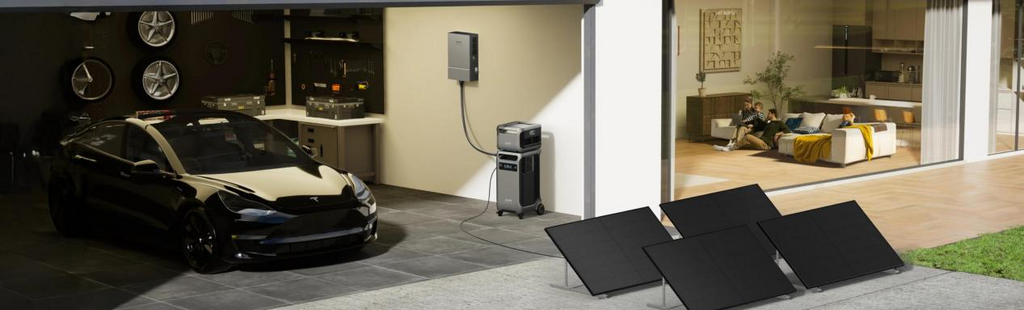
Rooftop solar panels can offset daytime electricity consumption when sunlight is strongest. Generating power on-site reduces dependence on grid electricity during peak hours. Even partial solar coverage can help lower overall energy costs and demand. Proper system sizing and orientation improve performance in urban environments. This approach provides a renewable supplement to traditional power sources.
Use solar generators for small loads
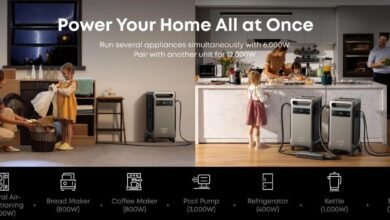
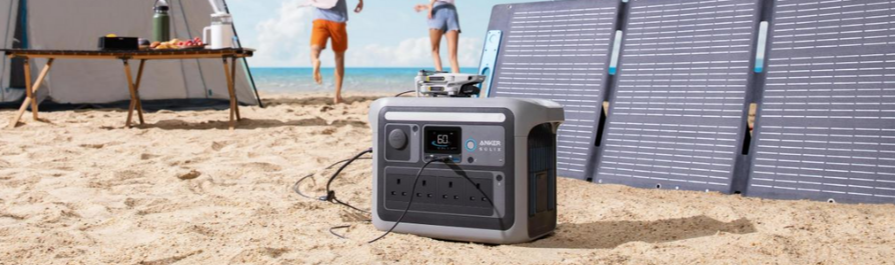
Portable solar solutions can support specific household devices without drawing from the grid during peak times. Small appliances, routers, fans, and lighting can be powered separately to reduce overall household demand. Some systems, including Anker SOLIX solar power generators, are designed with expandable battery capacity, app-based monitoring, and enough output to handle everyday electronics, making it easier to coordinate which devices run independently during high-use periods. Because they operate quietly and without fuel, they fit naturally into apartment balconies, small patios, or emergency backup plans. Using targeted portable energy in this way helps balance comfort and efficiency while easing pressure on home circuits.
Conclusion
Managing summer electricity peaks does not require major lifestyle changes, but rather a collection of small, consistent adjustments. Smarter cooling habits, better scheduling of high-energy tasks, and simple efficiency upgrades all contribute to lower demand during the hottest months. Exploring supplemental solar options can further reduce strain on household systems while improving energy flexibility. With thoughtful planning, urban families can stay cool, comfortable, and energy-aware throughout the summer season.