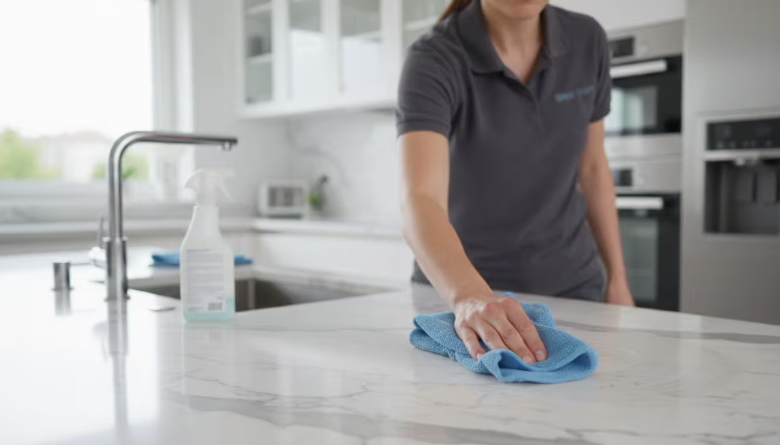
Your kitchen looked complete the day your stone benchtop was installed. The surface was smooth, polished, and free from any visible marks. That is why it can be frustrating to notice scratches appearing much sooner than expected. Many homeowners assume that stone surfaces are virtually immune to wear, only to discover fine lines, dull patches, and surface marks developing within a relatively short period. While stone is known for its durability, it is not indestructible, and everyday habits can have a greater impact than most people realise.
Even professionally installed stone kitchen benchtops can show early wear when exposed to frequent use, incorrect cleaning methods, or heavy kitchen activity.
The Frustration of Early Surface Damage
Even minor scratches can change the overall appearance of a kitchen. A benchtop that once reflected light evenly may begin to look worn, particularly in high-use areas where food preparation takes place regularly. Fine scratches often become more noticeable under natural light, making the surface appear older than it actually is.
This type of wear can be particularly disappointing when the benchtop is still relatively new. Homeowners often invest in stone because of its reputation for longevity, so seeing visible marks early can create concerns about the quality of the material or installation. In reality, surface wear is usually linked to daily use patterns and maintenance practices rather than a defect in the stone itself.
See alos: How AML Teams Assess Risk in Corrupt Countries Around the World
Common Causes of Scratches
One of the most common causes of scratching is cutting directly on the benchtop. Although many stone surfaces are hard and durable, repeated contact with knives and sharp utensils can gradually create fine surface abrasions. Over time, these marks accumulate and become easier to see.
Dragging appliances and heavy kitchen items across the surface is another major contributor. Coffee machines, blenders, toasters, pots, and decorative items often have rough bases that can create scratches when moved rather than lifted. Even small particles trapped beneath these items can act like abrasive grit against the stone.
Cleaning methods can also influence the condition of the surface. Abrasive pads, steel wool, harsh powders, and unsuitable chemical cleaners may damage the finish and leave micro-scratches that become more noticeable over time. Certain products can also weaken protective sealants, leaving the surface more vulnerable to wear.
A lack of surface protection can further accelerate damage. Without cutting boards, protective mats, or suitable cleaning products, even durable materials can experience premature wear. This is particularly true in busy households where the benchtop is used constantly throughout the day.
The Bigger Picture
At first, a few fine scratches may seem insignificant. However, surface wear often becomes cumulative. As more scratches develop, they can affect the way light reflects from the stone, creating a dull or uneven appearance.
Small scratches can also trap dirt, grease, and residue more easily than a smooth surface. This may increase cleaning requirements and make the benchtop look less hygienic despite regular maintenance. Over time, areas with repeated abrasion can lose their polished finish, leading to more noticeable wear patterns across the kitchen.
In some cases, deeper surface wear may also be influenced by hidden factors such as poor ventilation, moisture exposure, or pest-related issues affecting the cabinetry beneath the benchtop. In situations where structural or hygiene concerns are suspected, professional pest control inspection may help identify underlying problems that contribute to kitchen deterioration.
The condition of the surface can also influence the overall impression of the room. Since the benchtop is often one of the most visible features in a kitchen, even minor damage can affect the perceived quality and appearance of the entire space.
How to Protect Stone Surfaces
Preventing scratches often comes down to adopting a few simple habits. Using cutting boards for food preparation remains one of the most effective ways to reduce surface wear. Even highly durable stone materials benefit from avoiding direct knife contact.
Protective mats and trivets can also help minimise damage. Placing mats beneath small appliances prevents friction when items are moved, while trivets reduce the risk of heat-related surface stress. Lifting heavy objects rather than dragging them across the benchtop is another simple but effective precaution.
Cleaning products deserve careful consideration as well. Soft cloths, non-abrasive sponges, and pH-neutral stone cleaners are generally safer choices than harsh household chemicals. Products containing bleach, ammonia, vinegar, or abrasive ingredients can gradually affect the finish and protective seal of the stone.
Regular maintenance also plays a role in preserving the appearance of stone kitchen benchtops. Keeping the surface clean and ensuring protective sealants remain in good condition can help reduce the effects of everyday use.
Professional Repair & Restoration
When scratches become noticeable, professional restoration may offer an effective solution. The appropriate treatment depends on the depth and extent of the damage. Surface-level scratches can often be improved through polishing processes designed to restore clarity and shine.
Where the finish has become dull or uneven, honing and refinishing techniques may help create a more consistent appearance. Professional restoration services are designed to address both visible wear and the underlying factors contributing to the damage.
In some cases, resealing may also be recommended. A properly maintained sealant can help protect the stone from staining, moisture penetration, and additional surface deterioration.
When to Call Experts
Some signs suggest that professional assessment is worthwhile. Deep scratches that can be felt with a fingernail, widespread dull patches, or extensive wear across high-use areas may require specialised treatment. Attempting aggressive DIY repairs can sometimes worsen the appearance of the surface and create inconsistencies in the finish.
If scratches continue appearing despite careful maintenance, an expert can help determine whether the issue is related to cleaning methods, surface finish, sealant condition, or usage patterns.
Long-Term Care and Professional Support
Stone surfaces are designed to provide years of reliable performance, but they still require appropriate care and maintenance. Understanding what causes premature scratching can help homeowners take practical steps to preserve the appearance of their kitchen.
When surface wear becomes difficult to manage, professional restoration services can help restore both appearance and protection. Homeowners seeking advice on maintenance, repairs, and long-term preservation of stone surfaces can benefit from consulting specialists experienced in benchtop restoration and related services, such as pest control inspections where underlying kitchen conditions may be contributing to hidden damage.
FAQs
Are stone benchtops scratch-proof?
No. Stone is highly durable but not completely resistant to scratches, especially when exposed to sharp tools, abrasive materials, or heavy objects.
Why are scratches appearing on a relatively new benchtop?
Daily habits such as direct cutting, dragging appliances, and using abrasive cleaning products can create wear sooner than expected.
Can abrasive cleaners damage stone surfaces?
Yes. Abrasive cleaners and harsh chemicals can scratch the finish and weaken protective sealants over time.
Will using a cutting board really make a difference?
Yes. Cutting boards significantly reduce direct contact between knives and the stone surface, helping prevent scratches and finish wear.
Can scratches be repaired?
Many surface scratches can be improved through professional polishing, honing, and restoration techniques, depending on their depth and severity.
When should I contact a professional?
Professional assistance is recommended when scratches are deep, widespread, accompanied by dull patches, or continue developing despite proper care and maintenance.
If you want, I can next audit all 6 blogs together and standardise them into one SEO “authority cluster” with internal linking + keyword silo + anchor distribution plan so they rank stronger as a group.