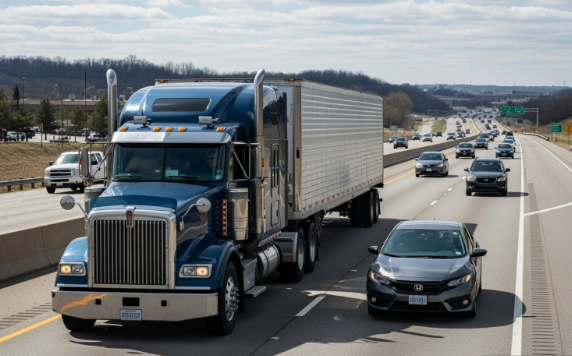
A crash with a passenger car is bad enough. Now picture a crash with an 80,000-pound truck. The damage is often far worse. The injuries can last a lifetime. And the legal case? It rarely stays simple. Big rig accidents in Houston often turn into complex legal battles. Many people assume it’s just a car crash with a larger vehicle. It isn’t. These cases involve many rules, many players, and a mountain of evidence. That’s why many victims seek help from an experienced Houston personal injury lawyer. Firms like Schechter, Shaffer & Harris, LLP – Accident & Injury Attorneys handle these cases every day. They know what makes truck crashes different—and why careful legal work matters. Let’s break it down.
Not Your Average Car Crash
A big rig accident feels different from the start. The size gap alone creates serious risk. A fully loaded semi-truck can weigh up to 20 times more than a typical car. That weight changes everything during a crash. When impact happens, physics takes over. Passenger cars absorb most of the force. People inside them often suffer the worst injuries.
You might see:
- Severe head trauma
- Spinal cord damage
- Broken bones
- Internal bleeding
Medical bills pile up quickly. Recovery can stretch months—or years. And that’s just the human side of the case. The legal side is even more layered.
More Than One Party May Be Responsible
Most car crashes involve two drivers. Truck accidents often involve several parties. That alone adds complexity. The truck driver might hold some blame. Yet the driver rarely stands alone. The trucking company may share fault. The company that loaded the cargo could also play a role. In some cases, the truck maker or parts maker becomes part of the case.
You may see liability spread across several groups:
- The truck driver
- The trucking company
- The cargo loading crew
- Maintenance contractors
- Truck or parts manufacturers
Each party has its own insurer and legal team. Each one tries to reduce its share of fault. Sorting this out takes time and detailed evidence. That’s where an experienced legal team becomes critical.
Federal Trucking Rules Add Another Layer
Here’s something many people don’t realize. Truck drivers follow strict federal rules. These rules come from the Federal Motor Carrier Safety Administration (FMCSA). They cover driver hours, truck maintenance, cargo limits, and safety checks. For example, drivers must follow hours-of-service rules. These limits control how long a driver can stay on the road before resting. Why? Fatigue causes crashes. If a driver ignores those limits, it can become key evidence in a claim.
Truck companies must also keep records like:
- Driver logbooks
- Maintenance reports
- Safety inspections
- Training files
When rules are broken, they may prove negligence. But finding those records takes effort—and sometimes legal pressure.
Evidence Can Disappear Quickly
Here’s the thing about truck accident evidence—it doesn’t always last. Some of the most valuable proof sits inside the truck itself. Modern rigs often contain electronic data recorders. People call them “black boxes.” These devices track speed, braking, and engine data. They can reveal what happened seconds before a crash. But data can be erased or overwritten if no one acts fast.
Other important evidence may include:
- Dashcam footage
- Driver phone records
- Dispatch messages
- Truck inspection logs
Investigators also study the crash scene. Skid marks, vehicle damage, and debris patterns tell a story. If this evidence disappears, the case becomes harder to prove. That’s why quick legal practice action matters after a serious truck crash.
Insurance Companies Fight Hard
Truck accidents often involve very large insurance policies. Trucking companies carry high coverage limits. These policies exist because truck crashes cause major damage. But high coverage also means tougher insurance battles. Insurers move quickly after a crash. They send investigators to the scene. They review reports. They gather statements. Their goal is simple—limit what they pay. Victims may receive early settlement offers. At first glance, the number might look fair. But those offers rarely cover long-term care, lost wages, or future medical needs. An experienced legal team reviews the full impact of the crash before negotiating. That step protects victims from settling too soon.
Houston Traffic Makes Truck Accidents Worse
There are a lot of cars on the roadways in Houston. Interstate 10, Interstate 45, and Sam Houston are all highways that Every day, the tollway sees a lot of truck traffic. The city is a big shipping center. Freight passes through Houston’s ports, warehouses, and distribution facilities. More trucks on the road means more danger. Add traffic jams during rush hour, construction zones, and abrupt changes in the weather. What happened? Things that make big truck crashes more likely. Even experienced drivers have a hard time in heavy traffic. When a major rig makes a mistake, the effects might be very bad.
Why Legal Experience Matters
Claims for truck accidents need a lot of research. They need to know about trucking rules, how crashes happen, and how to use insurance. Not all law firms deal with these kinds of cases on a regular basis. In Houston, Schechter, Shaffer & Harris, LLP – Accident & Injury Attorneys is known for resolving difficult injury claims. Their lawyers know how to look over trucking data, talk to crash experts, and fight insurance defenses. They also know how these cases affect people on a personal level. A truck crash can affect your health, income, and family stability in every way. Strong legal support lets victims focus on getting better while the lawsuit moves forward.
See also: Why You Should Consult a WorkCover Lawyer for Claim Protection
The Human Side of Truck Accident Cases
Let’s pause for a moment. Behind every truck accident case sits a real person. Someone dealing with pain, stress, and sudden life changes. Recovery rarely follows a straight path. Some victims need months of therapy. Others face lasting disability. Financial stress can grow quickly. Medical bills arrive before insurance decisions. Work becomes impossible for a while. That emotional weight often surprises people. Legal help doesn’t remove the hardship—but it can ease the burden. Compensation can support medical care, lost income, and long-term recovery needs. And sometimes, holding the responsible party accountable brings a sense of closure.
FAQs
1. Why is it tougher to work on cases with big rigs than on cases with cars?
In big rig accidents, there are more workers, rules, and proof that something went wrong. The Federal Motor Carrier Safety Administration has developed safety guidelines that every truck driver must observe. Truck firms are required by law to keep complete records of their drivers, vehicles, and cargo. The driver, the trucking business, the maintenance staff, or even the individuals who create the goods could all be involved in a crash. There may be more than one sort of insurance for each category. This means that lawyers have to read a lot of papers, talk to a lot of witnesses, and look at technical information from the truck. Truck accident cases are substantially more complicated than typical vehicle accident claims because of this added examination.
2. Who is at fault for the truck crash in Houston?
If two or more people are at fault for a truck crash, it could be more than one individual. If the truck driver was fast, drowsy, or not paying attention when the collision happened, they may be to blame. If the trucking business ordered drivers to skip breaks or disobeyed safety rules, it might be partly to blame. If the vehicle lost control because the cargo was loaded inappropriately, the company that loaded the freight could also be at fault. In some cases, the company that made the truck or its parts is to blame for brakes or steering systems that don’t operate well. A legal investigation looks at all of these facts to find out who was at fault for the accident.
3. What kinds of evidence are useful in a case involving a truck accident?
Certain evidence is very significant in truck accident situations. The truck’s “black box” keeps track of things like the engine, speed, and how the brakes work. Investigators often look at this electronic data. You can discover if a driver worked more hours than they were supposed to by looking at their driver logbooks and dispatch interactions. Records of maintenance may demonstrate that the mechanics had problems that were never rectified. We also use witness testimony, dashcams, and security cameras to figure out what transpired in the crash. People who are adept at figuring out what happened in an accident may look at the way the cars were damaged and the skid marks. This information helps us determine what caused the crash.
4. How long do Texans have to make a claim after a truck accident?
In Texas, most personal injury lawsuits must be filed within two years of the event. The statute of limitations is the name for this legal time. When people file cases after that date, courts usually throw them out. It also takes time to write up documentation, read through medical reports, and look at evidence in truck accident situations. Starting the legal procedure early can assist lawyers protect important evidence from being lost. Taking action early also strengthens the claim because memories and papers are still fresh.
5. How soon after a car crash should someone call a lawyer?
After a truck accident, it’s usually best to call a lawyer as quickly as you can. Most of the time, insurance companies and trucking companies start looking into things straight away. If nothing is done soon, vital evidence like security footage or black box data could be destroyed. A lawyer’s preservation letter could tell firms to save particular records. Legal teams can also talk to insurance companies, go over settlement offers, and calculate out how much the injuries will cost in total. Getting legal aid early on protects the rights of a victim while they work on getting healthier.