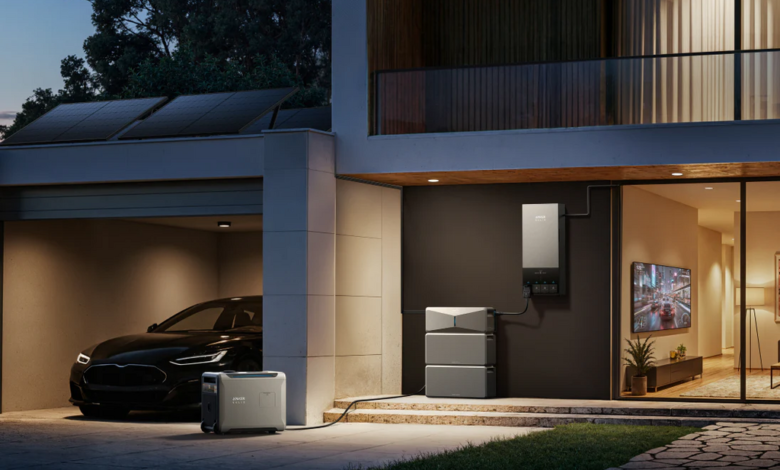
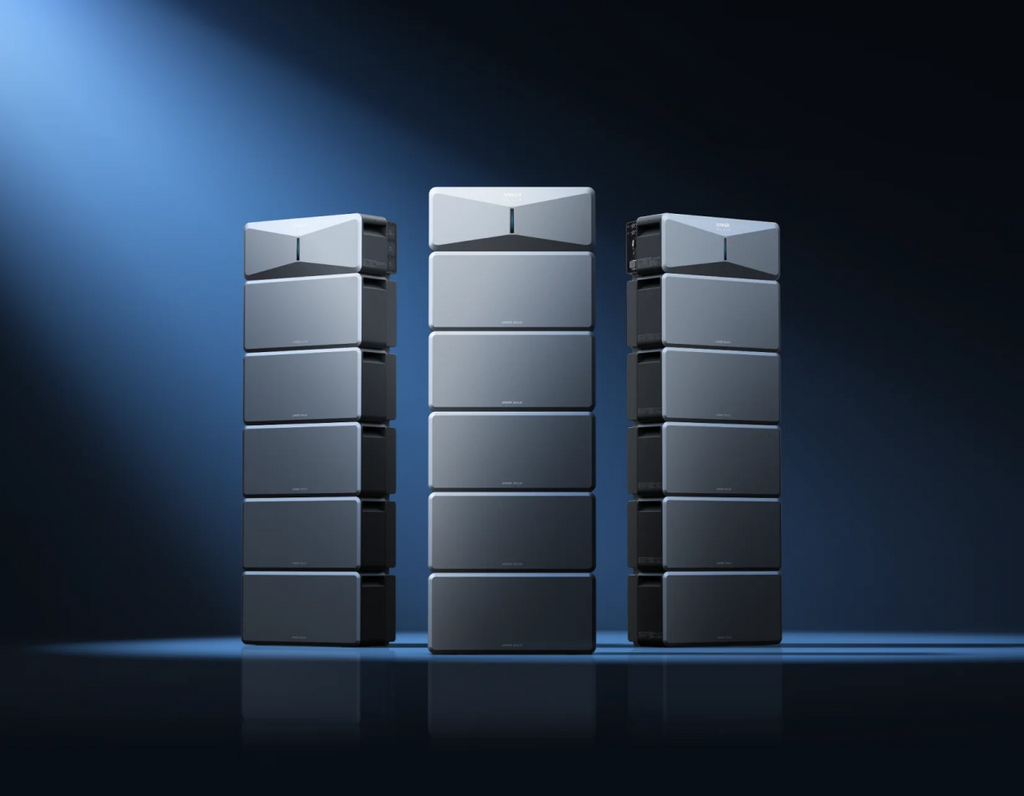
Extended outages place unusual pressure on every household system, from heating and cooling to food storage and medical devices. A brief blackout might expose inconvenience, but a multi-day loss of grid power becomes a test of endurance and stability. Families discover very quickly whether their generator can support repeated demand cycles, unpredictable load spikes, and continuous runtime. Systems such as the Anker SOLIX E10 with Power Dock illustrate how modern hybrid solutions approach this challenge differently—combining battery capacity, solar intake, and generator synergy to sustain essential loads for days. Understanding how whole house generators respond to long outages helps homeowners prepare for the moments when resilience matters most.
What Determines Generator Endurance During Multi-Day Outages
Fuel Strategy Dictates How Long Traditional Units Can Run
During a blackout that lasts several days, the first limiting factor for conventional generators is fuel availability. Homes relying solely on gasoline or propane often face supply constraints, especially when weather emergencies disrupt transportation or when local stores run out. Families must actively manage fuel levels, determine consumption rates, and schedule manual refueling, all while the home depends on consistent power to maintain safety and comfort. Hybrid backup systems reduce this dependency by shifting part of the workload to stored energy and solar input. The E10 platform uses batteries as the primary source of power, limiting generator runtime to the periods when energy must be replenished. This extends total endurance dramatically because the generator runs at optimal efficiency instead of cycling constantly. During multi-day outages, homes supported by hybrid designs avoid the stressful pattern of watching fuel diminish quicker than expected—giving families predictable power instead of a countdown.
Stable Load Management Prevents System Overwork
Generators experience the highest stress when loads fluctuate throughout the day. Appliances start and stop, HVAC cycles intensify in extreme temperatures, and multiple systems run simultaneously, creating a dynamic demand profile. Traditional whole house generators respond by revving up and down repeatedly, which increases wear, reduces efficiency, and shortens available runtime. A platform built for whole-home use manages these cycles more gracefully. The E10 system supports 10–30kW turbo output and 7.6–22.8kW continuous output depending on configuration, enabling it to absorb sudden high-load events without destabilizing. When a 5-ton air conditioner starts up or multiple large appliances activate at once, strong surge performance prevents voltage drops and avoids mid-outage shutdowns. The system also uses battery storage to smooth out load spikes so the generator never faces the full brunt of fluctuating demand. Multi-day performance improves significantly when the load is handled with consistency instead of strain.
Environmental Resilience Determines Whether Power Stays Online
Long blackouts frequently coincide with extreme weather—ice storms, hurricanes, heatwaves, or blizzards. Generators sitting outdoors without adequate protection may face moisture intrusion, overheating, or mechanical strain. A unit that runs perfectly on mild days can fail under the stress of heavy rain or freezing temperatures. Equipment engineered for outdoor exposure operates more reliably during crisis conditions. The E10 platform includes thermal protection and waterproofing designed to withstand harsh weather and continuous operation. Homes in flood-risk zones benefit from wall-mounting, which keeps the system elevated and secure. In dry regions, floor-mounting maintains airflow stability. When an outage lasts days, this durability is essential; environmental resistance becomes a direct predictor of whether the generator continues functioning without intervention.
Why Hybrid Backup Systems Perform Better During Long Outages
Battery-First Operation Reduces Fuel Dependency
Powering a home continuously for several days using only a generator raises both logistical and mechanical challenges. Frequent refueling introduces safety risks, increases noise, and creates opportunities for interruption. A hybrid design solves this by letting the battery carry most of the load while the generator recharges it at peak efficiency. The E10 system’s extended energy storage—expandable up to 90kWh with three units—allows families to cover long segments of outage time without burning fuel. Solar input adds further insulation. Up to 27kW of harvest from multiple panels helps replenish energy naturally during daylight hours. In multi-day scenarios, even a few hours of strong sunlight significantly increases total endurance. Instead of functioning as a single device, the system behaves as an ecosystem where each component reduces strain on the others.
Efficient Generator Synergy Extends Runtime
Traditional generators waste energy during conversion, idle time, and inefficient load cycles. When running for multiple days, these inefficiencies multiply and shorten overall runtime. A generator paired with a smart charging platform eliminates much of this waste. The E10 system uses direct-current charging, which bypasses conversion losses and keeps the generator operating at its most efficient point. This “highway-drive” efficiency means each unit of fuel produces more usable electricity. During multi-day outages, this distinction matters greatly. Homes using smart synergy can run the generator less frequently, maintain stable output, and reduce noise and wear. Efficiency becomes endurance—making the difference between predictable resilience and constant uncertainty.
Whole-Home Coverage Maintains Safety and Normalcy
Partial power solutions require homeowners to choose which circuits stay active, often leaving critical systems unprotected. During short outages, this might be manageable, but multi-day disruptions expose the problems quickly. Families need refrigerators, HVAC, internet, cooking appliances, medical devices, and lighting—not a subset. A whole-panel system with a 200A Power Dock ensures the entire home operates as if the grid were still online. Every outlet continues functioning, and every circuit remains supported. This reduces safety risks and maintains household stability. Children, older adults, and remote workers all benefit from uninterrupted routines. Long outages feel less disruptive, and essential appliances remain powered day and night.
Conclusion
Multi-day blackouts test generators in ways that brief outages do not. Endurance depends on fuel capacity, environmental resilience, efficient load handling, and the system’s ability to maintain continuous power without frequent manual intervention. Hybrid solutions such as the Anker SOLIX E10 with Power Dock outperform traditional units by combining battery storage, solar harvesting, and efficient generator synergy into a unified backup ecosystem. These features reduce fuel dependency, stabilize load performance, and support full-home operation for extended periods. As outages grow longer and more unpredictable, homeowners gain confidence knowing their backup system can sustain comfort, safety, and normalcy through days—not just hours—without grid power.